 HealthSpark Studio
Sleep Deprivation in Kids: Causes, Effects, and Solutions
Sleep is critical for children’s growth, learning, and overall well-being, yet many kids in 2025 face sleep deprivation due to busy schedules, screen time, and stress. Insufficient sleep can impact physical health, emotional regulation, and academic performance. This article explores the causes, effects, and practical solutions for sleep deprivation in kids, offering evidence-based strategies to help parents foster healthy sleep habits. Backed by expert insights and recent research, this guide empowers families to prioritize rest for their children’s optimal development.
Why Sleep Matters for Kids
Sleep supports brain development, immune function, and emotional health in children. According to the National Sleep Foundation, children aged 3–5 need 10–13 hours of sleep per night, while those aged 6–13 require 9–11 hours. A 2025 American Academy of Pediatrics (AAP) study found that sleep-deprived children are 30% more likely to experience behavioral issues and 25% more likely to catch infections. Dr. Rachel Dawkins, a pediatric sleep specialist, notes, “Adequate sleep is as essential as nutrition for a child’s growth and resilience.”

Causes of Sleep Deprivation in Kids
Several factors contribute to sleep deprivation in children, ranging from lifestyle to environmental influences:
- Excessive Screen Time: Blue light from devices disrupts melatonin production, delaying sleep onset.
- Busy Schedules: Overloaded routines with school, extracurriculars, and homework reduce sleep time.
- Stress and Anxiety: Academic pressure or social challenges can cause difficulty falling or staying asleep.
- Poor Sleep Environment: Noise, light, or uncomfortable bedding can disrupt rest.
- Dietary Factors: Caffeine or sugary snacks close to bedtime can interfere with sleep.
Effects of Sleep Deprivation in Kids
Sleep deprivation impacts multiple aspects of a child’s health and development. Below is a table summarizing its effects and potential benefits of addressing it.
| Effects of Sleep Deprivation | Benefits of Adequate Sleep |
|---|---|
| Impaired cognitive function, leading to poor focus and academic performance. | Enhanced memory, learning, and problem-solving skills, per 2025 PNAS studies. |
| Increased irritability, mood swings, and behavioral issues. | Improved emotional regulation and resilience, per Child Mind Institute. |
| Weakened immune system, increasing infection risk by 25% (AAP, 2025). | Stronger immunity, reducing illness frequency and severity. |
| Higher risk of obesity due to disrupted hunger hormones. | Healthy weight maintenance, supported by balanced hormones. |
| Fatigue, reducing participation in physical and social activities. | Increased energy for play, sports, and social engagement. |

Health Impacts of Sleep Deprivation
Sleep deprivation affects children’s physical, mental, and emotional health, with long-term consequences if unaddressed.
Cognitive and Academic Challenges
Lack of sleep impairs attention, memory, and problem-solving. A 2025 study in the Proceedings of the National Academy of Sciences found that children sleeping less than recommended hours scored 15% lower on cognitive tests. This can lead to struggles in math, reading, and creative tasks.
Emotional and Behavioral Issues
Sleep-deprived kids are more likely to experience irritability, anxiety, and tantrums. The Child Mind Institute reports a 20% increase in behavioral problems among children with chronic sleep loss. Our Mental Health & Emotional Wellness guide offers coping strategies.
Physical Health Risks
Sleep deprivation weakens immunity, increasing susceptibility to colds and flu. It also disrupts hormones like ghrelin and leptin, raising obesity risk by 10%, per a 2025 National Institutes of Health study. Monitor growth with our BMI Calculator.
Social and Developmental Impacts
Fatigue reduces engagement in social activities, affecting peer relationships. Chronic sleep loss may delay developmental milestones, particularly in younger children, according to the AAP.
Solutions to Combat Sleep Deprivation
Parents can implement practical, evidence-based strategies to improve their child’s sleep quality and duration.
Establish Consistent Bedtime Routines
A predictable routine—such as reading, bathing, or calming music—signals the body to wind down. The National Sleep Foundation suggests starting routines 30–60 minutes before bedtime. Avoid screens at least 1 hour before bed to prevent melatonin suppression. Try a kid-friendly white noise machine to enhance sleep quality. Shop white noise machines on Amazon (#ad).
Limit Screen Time
Blue light from screens delays sleep onset by up to 30 minutes, per a 2025 Sleep.org report. Set screen curfews and use blue-light-blocking glasses if necessary. Our Lifestyle & Daily Habits guide offers screen management tips.
Create a Sleep-Friendly Environment
Keep bedrooms dark, quiet, and cool (60–67°F). Use blackout curtains and comfortable bedding to promote rest. The AAP recommends removing electronics from bedrooms to minimize distractions.
Encourage Physical Activity
Daytime exercise improves sleep quality. The CDC recommends 60 minutes of daily activity, like biking or dancing, but avoid vigorous exercise 2–3 hours before bedtime. Explore our Fitness & Physical Activity guide.
Manage Stress and Anxiety
Stress can disrupt sleep. Teach kids relaxation techniques like deep breathing or guided imagery. A 2025 American Psychological Association study found that mindfulness practices improved sleep duration by 20%. See our Mental Health & Emotional Wellness guide for resources.
Monitor Diet and Hydration
Avoid caffeine (soda, chocolate) and heavy meals close to bedtime. A light, healthy snack like a banana can promote sleep due to its melatonin content, per the Academy of Nutrition and Dietetics.

Practical Tips for Parents
Here are actionable steps to address sleep deprivation and promote healthy sleep habits:
- Set a Fixed Bedtime: Align with your child’s age-based sleep needs (e.g., 8–9 PM for ages 6–13).
- Create a Calming Routine: Include storytelling or soft music to ease kids into sleep.
- Limit Evening Screens: Enforce a no-device rule 1–2 hours before bed.
- Encourage Daytime Activity: Promote outdoor play to improve nighttime rest.
- Monitor Sleep Patterns: Use sleep trackers or journals to identify issues early.
Health and Well-Being Considerations
Addressing sleep deprivation supports overall wellness but requires balance to avoid stress.
Balancing Sleep with Daily Routines
Over-scheduling can cut into sleep time. Prioritize rest by streamlining extracurriculars and homework. Our Stress & Work-Life Balance guide offers time management tips.
Supporting Emotional Health
Sleep issues may stem from anxiety or emotional challenges. Foster open communication and seek professional help if needed. Our Family & Social Well-Being guide provides support strategies.
Parental Involvement
Engage in bedtime routines to strengthen bonds and model healthy habits. Reading together or discussing the day can ease kids into sleep, as discussed in our Lifestyle & Daily Habits guide.
Advancements in Pediatric Sleep Health for 2025
Innovations are making it easier to address sleep deprivation:
- Wearable Sleep Trackers: Kid-friendly devices monitor sleep patterns, per 2025 Fitbit reports.
- Sleep Apps: Apps like Calm offer guided bedtime stories and relaxation exercises for kids.
- Telehealth Consultations: Pediatric sleep specialists provide virtual guidance for sleep issues.
- Smart Bedding: Temperature-regulating mattresses improve sleep comfort, per Sleep.org.
Explore more in our Technology in Health blog.
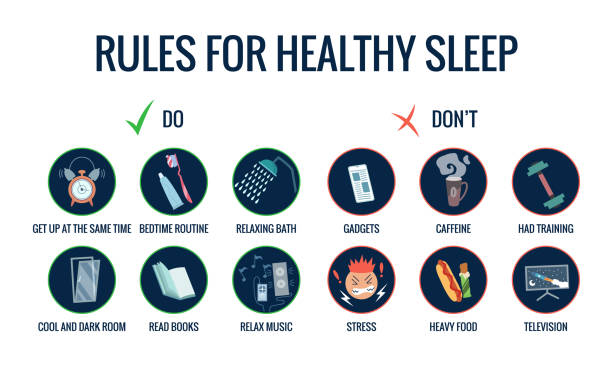
Infographic: Top strategies for improving sleep in kids in 2025.
Call-to-Action
Help your child thrive with better sleep! Start with our Sleep & Rest guide, explore sleep tools, and subscribe for more parenting tips.
Frequently Asked Questions About Sleep Deprivation in Kids
How much sleep do kids need?
Ages 3–5 need 10–13 hours, and ages 6–13 need 9–11 hours per night, per the National Sleep Foundation.
What are signs of sleep deprivation in kids?
Look for irritability, poor focus, frequent illnesses, or fatigue, per AAP guidelines.
How does screen time affect sleep?
Blue light delays melatonin production, reducing sleep quality by up to 30 minutes, per Sleep.org.
Can diet improve sleep?
Yes, melatonin-rich foods like bananas and avoiding caffeine help, per the Academy of Nutrition and Dietetics.
When should I seek help for my child’s sleep issues?
Consult a pediatrician if sleep problems persist beyond 2–3 weeks or affect daily functioning, per AAP advice.
Key Takeaways
- Sleep deprivation impairs cognitive, emotional, and physical health in kids, increasing risks of poor academic performance and illness.
- Common causes include excessive screen time, stress, and poor sleep environments.
- Solutions include consistent routines, limited screens, and a sleep-friendly bedroom.
- Parental involvement and fun bedtime activities promote healthy sleep habits.
- 2025 innovations like sleep trackers and apps make addressing sleep issues easier.
Disclaimer
This article is for informational purposes only and does not constitute medical advice. Consult a pediatrician or sleep specialist for personalized guidance on your child’s sleep health.